Understanding the Debt Validation Letter: A Consumer’s Essential Guide
In today's complex financial landscape, consumers often find themselves dealing with debt collection agencies. These entities may reach out to collect debts that are not always accurate or legitimate. One of the most powerful tools available to consumers is the debt validation letter. This document allows individuals to request proof that a debt is valid and legally enforceable. Understanding how to use a debt verification letter, also known as a dispute letter for collections, can be crucial in protecting your rights and ensuring fair treatment.
What Is a Debt Validation Letter?
A debt validation letter is a formal written communication sent to a debt collector requesting evidence that the debt you owe is real and properly documented. According to the Federal Trade Commission (FTC), consumers have the right to dispute any debt they believe is incorrect or uncollectible. This letter serves as a legal tool to verify the validity of the debt and can help prevent unlawful collection practices.
The debt collection validation letter is often used interchangeably with terms like verify debt letter or debt dispute letter. Regardless of the name, the purpose remains the same: to confirm that the debt exists and that the collector has the legal right to pursue it. By sending this letter, you are exercising your consumer rights under the Fair Debt Collection Practices Act (FDCPA).
Why Is a Debt Validation Letter Important?
Many consumers are unaware of their right to request validation of a debt. Without proper documentation, a debt collector cannot legally force you to pay. The debt validation form letter is an essential step in verifying whether the debt is yours, whether it is still within the statute of limitations, and whether the collector has the proper authority to collect it.
Here are some key reasons why a debt settlement letter or debt collection dispute letter is important:
- Protects against fraudulent debt claims: It helps identify if a debt is being collected incorrectly or if it was never yours.
- Clarifies debt details: It ensures that the amount owed is accurate and that all relevant information is provided.
- Halts collection activity: Once a debt validation letter is sent, the collector must stop attempting to collect until they provide proof of the debt.
- Empowers consumer rights: It reinforces your ability to challenge unfair or inaccurate debt collection practices.
How to Craft a Debt Validation Letter
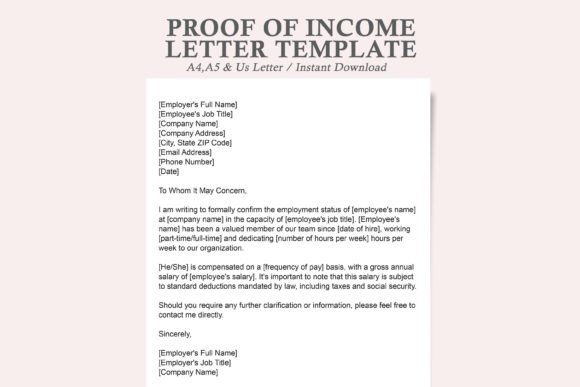
Creating a debt validation letter template is straightforward, but it should be clear, concise, and professional. The goal is to request specific documentation from the collector while maintaining a respectful tone. Here’s a breakdown of what to include in your dispute letter for collections:
- Personal Information: Include your full name, address, and contact information at the top of the letter.
- Date: Write the date you’re sending the letter.
- Collector’s Information: Provide the name and address of the debt collection agency.
- Subject Line: Use a clear subject line such as “Debt Validation Request” or “Dispute of Debt.”
- Body of the Letter: Clearly state that you are disputing the debt and request verification. Ask for documentation such as the original contract, payment history, and proof of assignment of the debt.
- Request for Confirmation: Specify that you want the collector to respond within 30 days and that they must cease collection efforts until then.
- Signature: Sign the letter and include a note indicating that you are sending it via certified mail for proof of delivery.
Using a debt collection letter template can simplify this process. Many templates are available in Microsoft Word or Google Docs formats, making it easy to customize the letter to your specific situation.
Examples of Debt Validation Letters
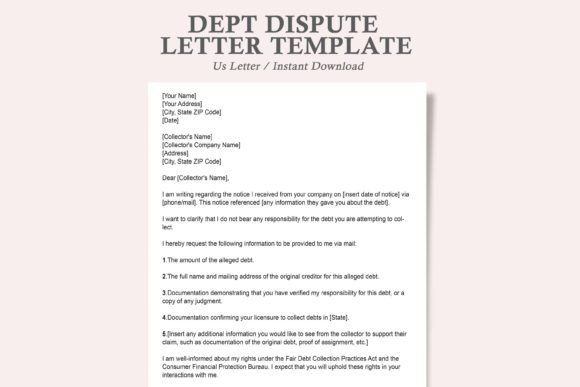
Here’s a simple example of what a debt validation letter might look like:
Dear [Collection Agency Name],
I am writing to formally dispute the debt listed on my account. I do not believe this debt is valid and would like you to provide documentation to support your claim. Please send me a copy of the original contract, proof of assignment, and any other records that demonstrate the legitimacy of this debt. Under the Fair Debt Collection Practices Act, I am entitled to this information before any further action is taken. Please respond within 30 days, and cease all collection attempts until then.
Sincerely,
[Your Full Name]
This example illustrates the key components of a debt dispute letter—clear language, a request for documentation, and a demand for compliance with legal standards.
Common Misconceptions About Debt Validation Letters
Despite its importance, many people misunderstand how a debt validation letter works. One common misconception is that sending a dispute letter will automatically eliminate the debt. In reality, it only requests proof of the debt. If the collector provides valid documentation, the debt may still be enforceable.
Another misunderstanding is that debt collectors will stop contacting you immediately after receiving a dispute letter. While they must stop collection activities until they validate the debt, they may still attempt to contact you for additional information or to clarify details.
It’s also important to note that debt validation letters are not a substitute for legal advice. If you believe you are being treated unfairly or if the debt is not yours, consulting with a consumer protection attorney may be necessary.
How Debt Validation Fits Into Modern Financial Life
In today’s digital age, where credit scores and financial data are more accessible than ever, understanding how to handle debt disputes is more important than ever. With the rise of third-party debt collection agencies, consumers are increasingly likely to receive unsolicited calls or letters about debts they may not recognize.
Whether you're managing personal finances, working in business, or involved in education, knowing how to use a debt validation letter can help protect your financial well-being. It empowers you to take control of your financial situation and ensure that you are not paying for errors or fraudulent claims.
Conclusion
A debt validation letter is a powerful tool that every consumer should know about. Whether you're dealing with a debt collection lawsuit, a debt settlement offer, or simply trying to resolve a disputed debt, this letter can help you assert your rights and ensure transparency in the collection process.
By using a debt validation letter template, you can streamline the process and communicate your concerns effectively. Remember, your rights as a consumer are protected under the law, and taking the time to validate a debt can save you from unnecessary stress and financial loss.