Cycling Logbook Journal
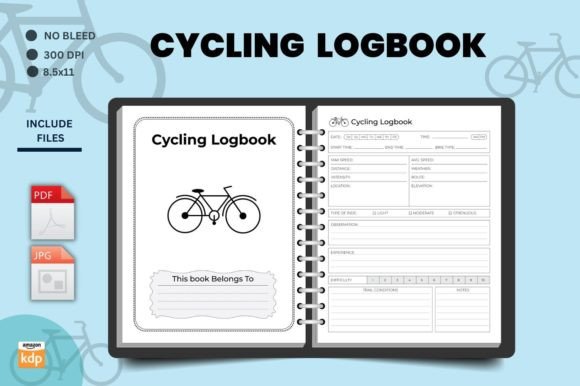
The Cycling Logbook Journal is a meticulously crafted graphic design resource that serves as both a functional tool and a visual asset for fitness enthusiasts and designers alike. Its clean layout and structured format make it ideal for tracking cycling progress, planning workouts, and maintaining a consistent fitness routine. With its high-resolution PDF and JPG files, this logbook is optimized for print and digital use, offering flexibility for users who want to customize their experience.
Designed with a focus on usability, the Cycling Logbook Journal ensures that every detail—from page count to file size—supports a seamless workflow. The 8.5" x 11" interior dimensions are perfect for KDP publishing, making it an excellent choice for creators looking to offer printable resources. Whether used as a personal journal or a commercial product, its professional presentation elevates the user experience and reinforces brand credibility.
Visual Design and Branding
In the realm of graphic design, the Cycling Logbook Journal exemplifies how visual elements can enhance functionality and aesthetics. Its typography, color palette, and composition work in harmony to create a polished and organized look. This attention to detail not only improves readability but also aligns with modern design trends that prioritize clarity and user engagement.
For branding and logo design, the Cycling Logbook Journal can serve as a template for creating cohesive visual systems. Its structure allows for easy integration of brand elements such as logos, color schemes, and custom fonts. This makes it a valuable tool for businesses seeking to maintain consistency across marketing materials, social media graphics, and editorial layouts.
Practical Applications
The Cycling Logbook Journal is more than just a fitness tracker—it's a versatile design asset that can be adapted for various creative projects. Here are some practical applications:
- Marketing Materials: Use the logbook as a template for brochures, flyers, and promotional content that highlights cycling training programs or fitness services.
- Social Media Content: Repurpose sections of the logbook into infographics, carousel posts, or story templates to engage audiences and promote cycling-related content.
- Website and UI Design: Incorporate its layout principles into web design to create intuitive interfaces that guide users through fitness tracking features.
- Editorial Layouts: Apply its design structure to magazines, blogs, or e-books that focus on health, wellness, and sports training.
By leveraging the Cycling Logbook Journal’s design framework, creators can ensure that their visual communication remains consistent, professional, and visually appealing.
Design Tips and Best Practices
Selecting and using design elements effectively requires a balance between creativity and practicality. When working with the Cycling Logbook Journal, consider the following tips:
- Consistency: Maintain a uniform style across all pages to reinforce brand identity and improve user experience.
- Readability: Choose fonts and colors that enhance legibility without compromising aesthetic appeal.
- Scalability: Ensure that design elements remain clear and sharp when printed or displayed on different devices.
- Visual Hierarchy: Organize information in a way that guides the reader’s eye and emphasizes key details.
These principles apply not only to the Cycling Logbook Journal but also to broader design workflows, helping professionals create impactful and user-friendly visuals.
Ultimately, the Cycling Logbook Journal demonstrates how thoughtful design choices can transform a simple document into a powerful tool for communication and creativity. By combining functionality with visual appeal, it sets a standard for quality in graphic design and digital content creation. Whether used for personal fitness tracking or commercial purposes, its value lies in its ability to support both form and function in a visually dynamic way.