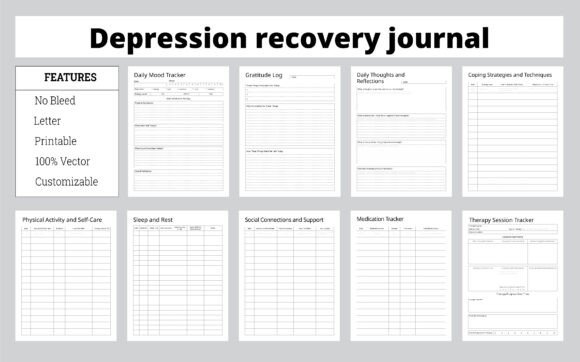
Depression Recovery Journal Bundle: A Comprehensive Tool for Mental Wellness
The Depression Recovery Journal Bundle is more than just a collection of pages; it's a structured approach to navigating the complex journey of mental health recovery. Designed with care and purpose, this journal offers a variety of features that cater to different aspects of emotional and psychological well-being. Whether you're just beginning your path to healing or looking for a new way to manage your mental health, this bundle provides a practical and customizable resource.
Understanding the Components of the Depression Recovery Journal Bundle
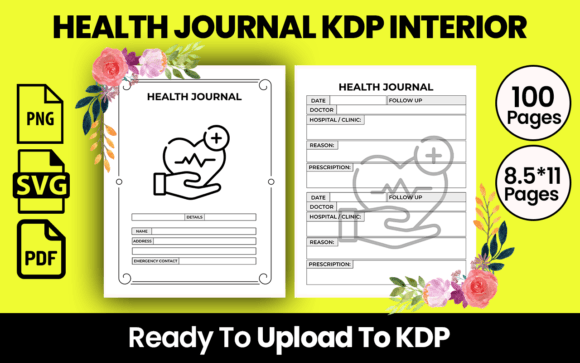
The Depression Recovery Journal Bundle includes 120 pages of content, offering flexibility for users who may want to adjust the depth or scope of their journaling. This interior size is ideal for printing, making it easy to use in a physical format or as a digital reference. The files included are high-resolution JPGs and a PDF, ensuring clarity and quality when printed or viewed on any device. With a standard size of 8.5 inches by 11 inches and no bleed, it’s perfectly suited for Amazon KDP uploads and other publishing platforms.
Each page in the bundle is designed with specific purposes in mind. From daily prompts to self-care tips, the journal encourages consistent engagement with one’s mental state. The inclusion of customizable pages allows users to tailor their experience, adding personal notes, illustrations, or additional resources that resonate with their unique journey.
Key Features That Support Mental Health
One of the standout features of the Depression Recovery Journal Bundle is its focus on coping strategies and techniques. These sections provide actionable steps for managing symptoms of depression, such as deep breathing exercises, mindfulness practices, and cognitive restructuring methods. By integrating these strategies into daily routines, users can build resilience and develop healthier thought patterns over time.
The daily gratitude log is another essential component. Research suggests that focusing on positive aspects of life can significantly improve mood and overall well-being. This section encourages users to reflect on what they’re grateful for each day, fostering a sense of appreciation and perspective that can counteract negative thinking.
The daily mood tracker helps users monitor their emotional fluctuations. By recording moods regularly, individuals can identify patterns and triggers, which can be valuable information for both personal reflection and discussions with mental health professionals. This data-driven approach empowers users to take an active role in their recovery process.
Tracking Progress and Setting Goals
The Depression Recovery Journal Bundle also includes a section dedicated to goal setting. This feature allows users to define short-term and long-term objectives related to their mental health. Whether the goal is to practice self-care more consistently or to engage in regular physical activity, having a clear roadmap can enhance motivation and accountability.
Physical activity and self-care are emphasized throughout the journal. Regular exercise has been shown to alleviate symptoms of depression, and the journal provides space to track workouts, set fitness goals, and reflect on how movement impacts mood. Similarly, the self-care section encourages users to prioritize activities that promote relaxation and emotional balance, such as reading, meditation, or spending time in nature.
Sleep and rest are equally important components of mental wellness. The journal includes a dedicated section for tracking sleep patterns, helping users understand how their rest affects their overall well-being. Poor sleep can exacerbate depressive symptoms, so this feature supports a holistic approach to recovery.
Building Social Connections and Support
Social connections play a vital role in mental health, and the Depression Recovery Journal Bundle acknowledges this by including a section for tracking relationships and support networks. Users can note interactions with friends, family, or support groups, highlighting the importance of community and shared experiences in the healing process.
The therapy session tracker is another valuable tool. It allows users to document key insights, progress, and challenges discussed during therapy sessions. This record can serve as a reference for future discussions and help users stay engaged with their therapeutic journey.
Medication tracking is also included, providing a structured way to monitor treatment adherence and side effects. This feature is especially useful for individuals managing depression with medication, as it helps them stay organized and informed about their health.
Practical Applications and Real-World Relevance
The Depression Recovery Journal Bundle is suitable for a wide range of users, from those seeking self-help tools to professionals looking for supplementary resources. Educators and researchers may find value in using the journal as part of mental health education programs or case studies. Creators and hobbyists can adapt the journal’s structure to suit personal projects or creative expressions.
Business owners and professionals may benefit from incorporating the journal into workplace wellness initiatives. By promoting mental health awareness and providing accessible tools, organizations can foster a supportive environment that prioritizes employee well-being.
For individuals, the journal serves as a personal companion in the journey toward recovery. Its structured yet flexible format makes it adaptable to different lifestyles and needs. Whether used in conjunction with therapy, as a standalone tool, or as part of a broader self-care routine, the Depression Recovery Journal Bundle offers a meaningful way to engage with mental health.
Ultimately, the Depression Recovery Journal Bundle is more than a product—it’s a resource that supports growth, reflection, and healing. By combining practical tools with thoughtful design, it empowers users to take control of their mental health journey and build a foundation for lasting well-being.